
This video has been doing the rounds, so I posted it on Discovery News on Tuesday. My favorite comment from a reader was: “I need a clean pair of shorts.” That means only one thing; it’s time for some epic NASA-created CGI of the entry, descent and landing (a.k.a. “EDL”) of the Mars Science Laboratory “Curiosity” set for landing on the Red Planet on August 5 at 9:30 p.m. (PST). To be honest, the video speaks for itself, so I’ll hand over to EDL Engineer Adam Stelzner (who really needs his own TV show — love his monolog).
Month: June 2012
Life: Not So Grim On The Galactic Rim?
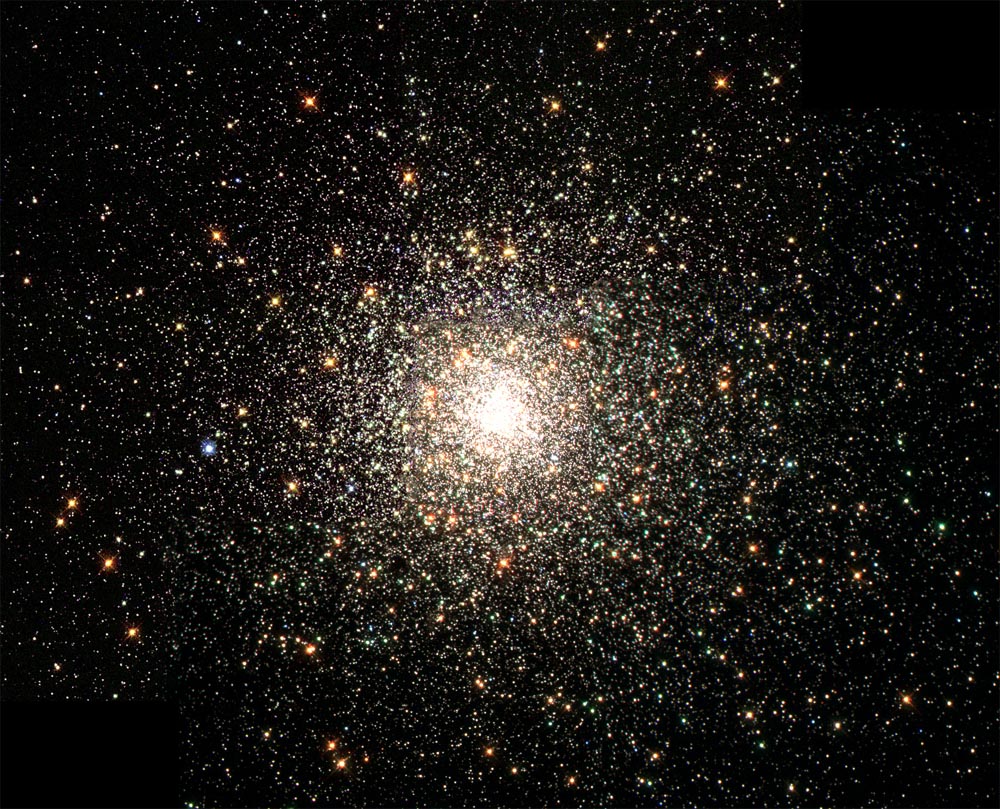
The galaxy may be brimming with habitable small worlds and many older star systems could possess the conditions ripe for advanced alien civilizations to evolve. This prediction comes in the wake of new analysis of data from NASA’s Kepler space telescope and ground based observatories by a team of Danish and American astronomers.
Led by Lars Buchhave of the Niels Bohr Institute in Copenhagen, the team has revealed that stars containing low quantities of heavy elements — known as “metal poor” stars — are still capable of nurturing exoplanets with Earth-like qualities.
“I wanted to investigate whether planets only form around certain types of stars and whether there is a correlation between the size of the planets and the type of host star it is orbiting,” Buchhave said.
After analyzing the elemental composition of stars hosting 226 small exoplanets — some as small as the rocky planets in the Solar System — Buchhave’s team discovered that “unlike the gas giants, the occurrence of smaller planets is not strongly dependent on stars with a high content of heavy elements. Planets that are up to four times the size of Earth can form around very different stars — also stars that are poorer in heavy elements,” he concluded.
The Kepler mission, for example, is actively carrying out a search for exoplanets that pass in front of their host stars (events known as “transits”). With Kepler’s sensitive eye, it is capable of detecting exoplanets of similar size to Earth, or even as small as Mars.
Interestingly, as it surveys Sun-like stars, Kepler can detect tiny, rocky worlds that orbit within the “habitable zones” of their stars. It’s no huge leap of the imagination to think alien life may have evolved on some of these worlds.
But a problem facing astronomers hunting for bona fide “Earth-like” exoplanets is that many older stars have low quantities of heavier elements (such as the silicon and iron) that small rocky worlds need to become… well… rocky. But Buchhave’s discovery suggests that stars once considered infertile may in fact have a shot at birthing small exoplanets.
Jill Tarter, Chair of the SETI Institute, points out that this could be a boon for the search for intelligent extraterrestrials. “The idea that very old stars could also sport habitable planets is encouraging for our searches,” she said in a SETI press release on Wednesday.
Tarter also highlights the fact that life took a long time to evolve into an advanced technological state on Earth. Therefore, should there be small habitable rocky worlds orbiting ancient stars (as this research suggests), perhaps alien life far older and more technologically advanced than ourselves are out there.
Although this seems to make logical sense, it may not make biological sense. Metal-poor stars might have the ability to create small worlds, but just because there are likely many small worlds out there, it doesn’t mean life can be nurtured. But then again, regions of the Milky Way once considered to be devoid of exoplanets may now have a stab at providing a planetary habitat for extraterrestrial biology to gain a foothold. Whether or not these metal poor stars host the right ingredients for the building blocks of life probably won’t be known for some time.
In 2009, I wrote an article (see “Life Is Grim On The Galactic Rim“) that grabbed the attention of National Geographic writer Ken Croswell who quoted my Astroengine.com article in the December 2010 edition of the magazine. In the text, I discussed some research that investigated the strange lack of protoplanetary disks around a selection of metal-poor star clusters in the outermost regions of the galaxy. The lack of a protoplanetary disk means a lack of exoplanet-birthing potential and a grim outlook for life to evolve in regions of the galaxy distant from the galactic core.
The conclusion of this 2009 work appears to contradict these most recent findings and the suggestion that advanced alien civilizations may have evolved around metal-poor stars. Whether these stars are the exception rather than the rule, or whether their low metallicity influences the size or visibility of their protoplanetary disks would be an interesting factor to consider.
Although SETI searches have yet to turn up any signal from an advanced alien technology, Kepler is proving that stars — regardless of their metallicity — have the ability to host small rocky worlds. Should life have taken hold on these worlds, then perhaps, some day, we may intercept an interstellar phone call from one of them.
This topic and a myriad of others will be discussed on June 22-24 where the world’s leaders in the field of alien and exoplanet hunting will meet at the Hyatt Santa Clara hotel in California’s Silicon Valley for SETIcon.
UPDATE: After tweeting this article, @spacearcheology retweeted my link with the following comment:
This is something I neglected to consider in the original post. If there are indeed many more small rocky worlds out there — particularly around metal-poor stars that are, by their nature, ancient — why the heck haven’t we detected any ancient extraterrestrial intelligences yet? This has just become the Fermi Paradox PLUS…
When Venus Transited the Sun
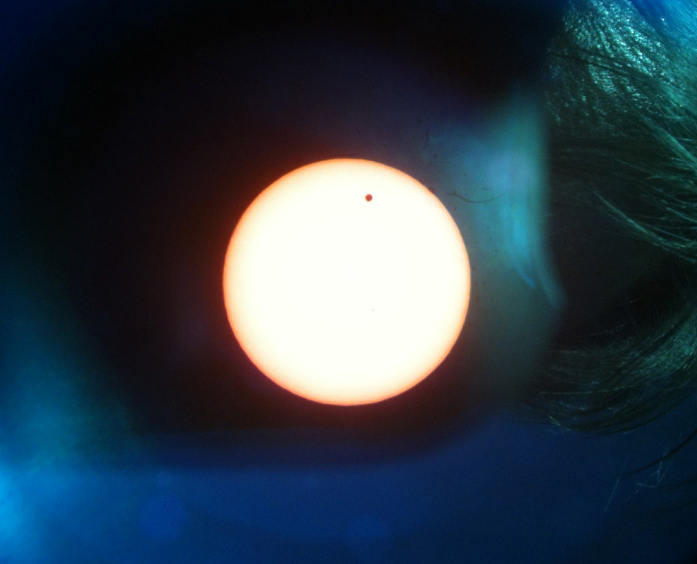
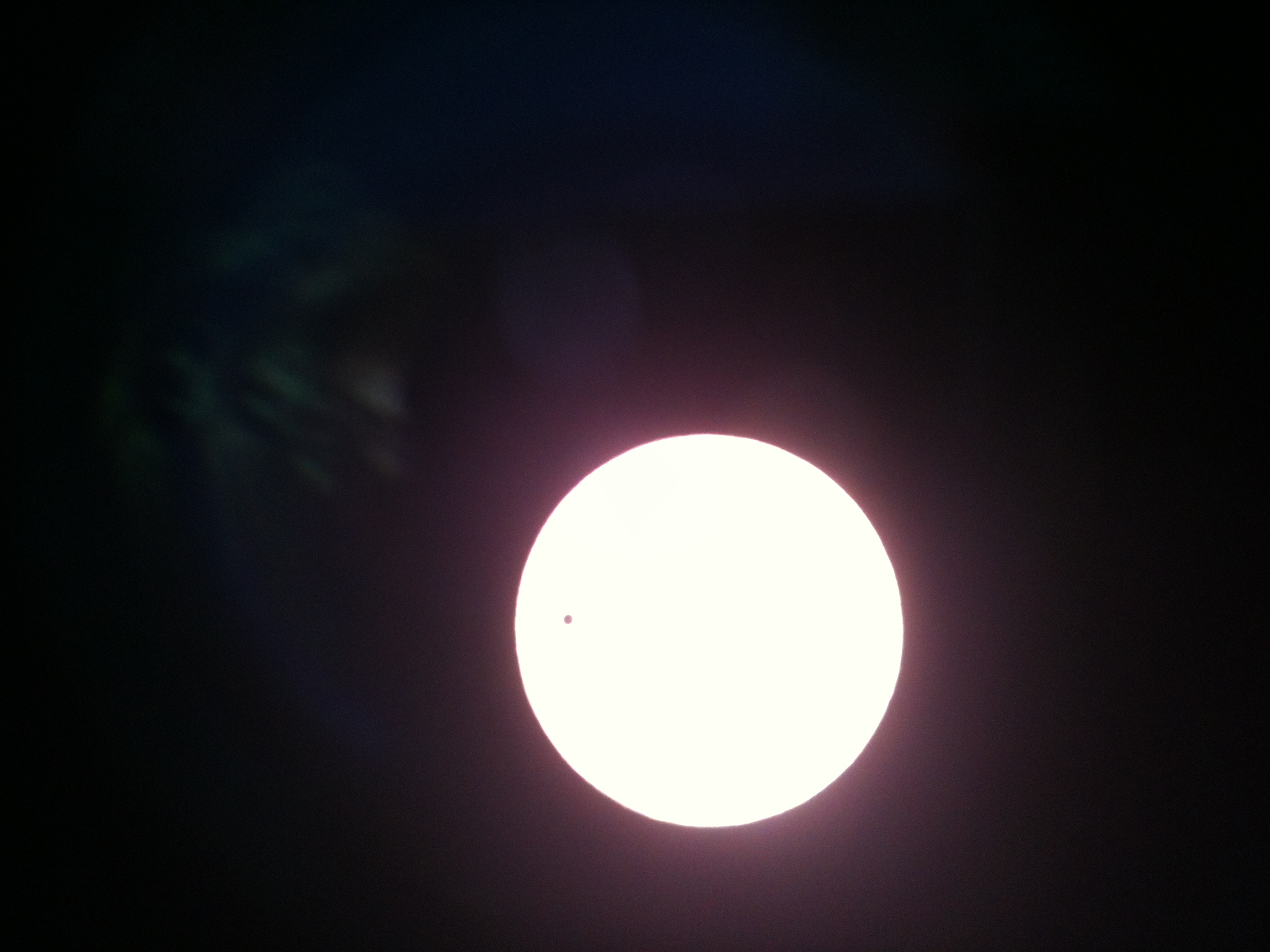
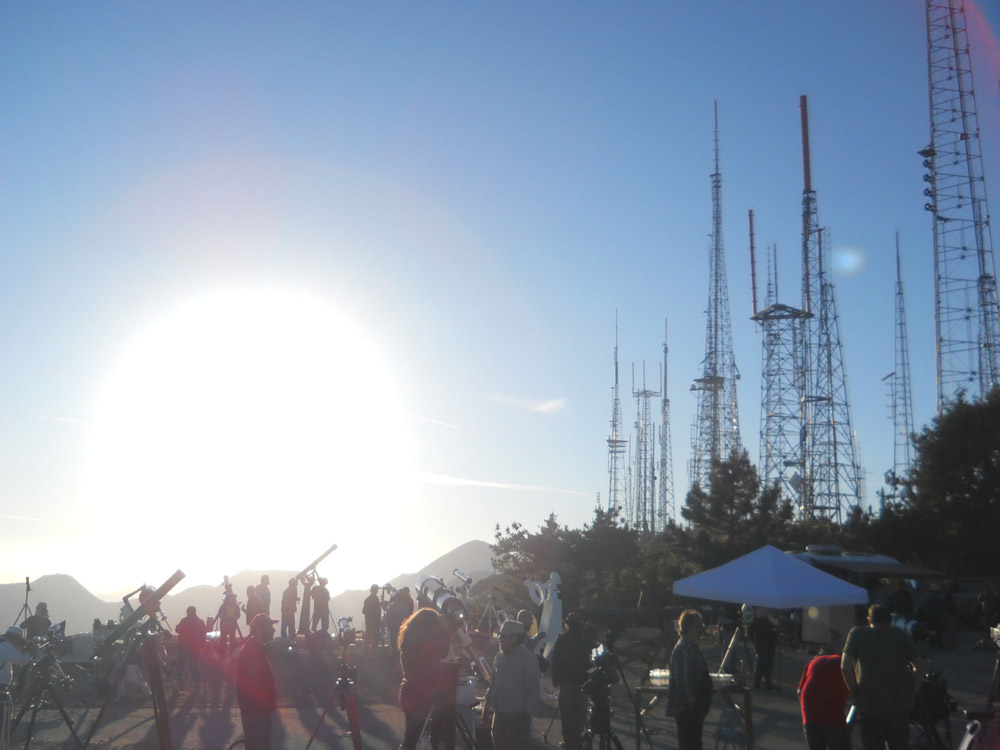
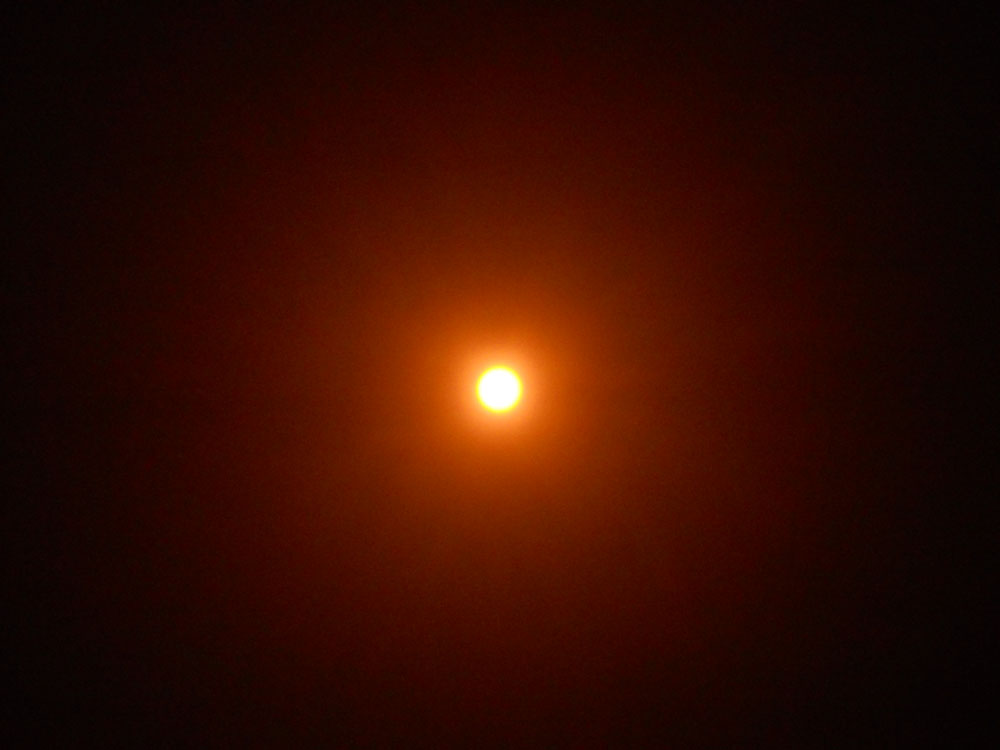
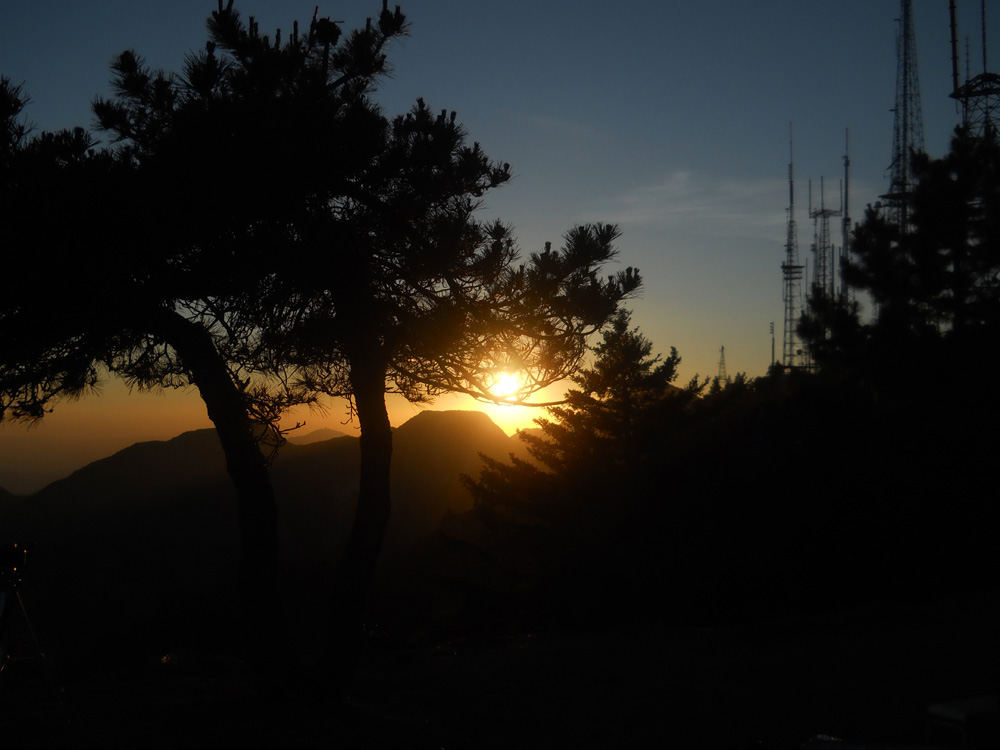
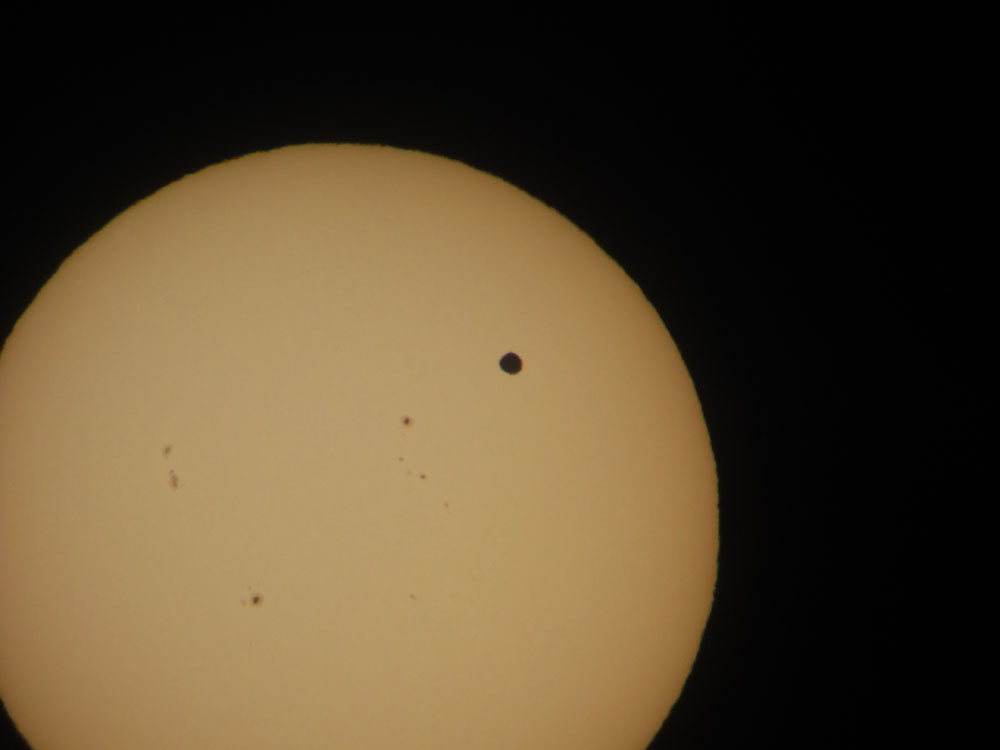
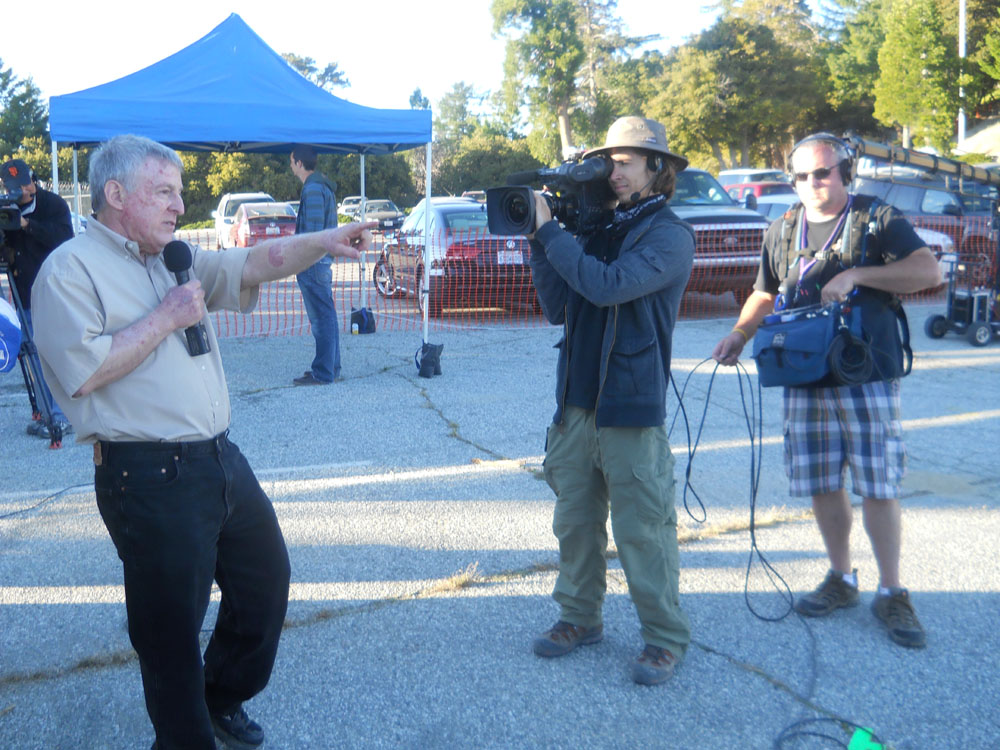
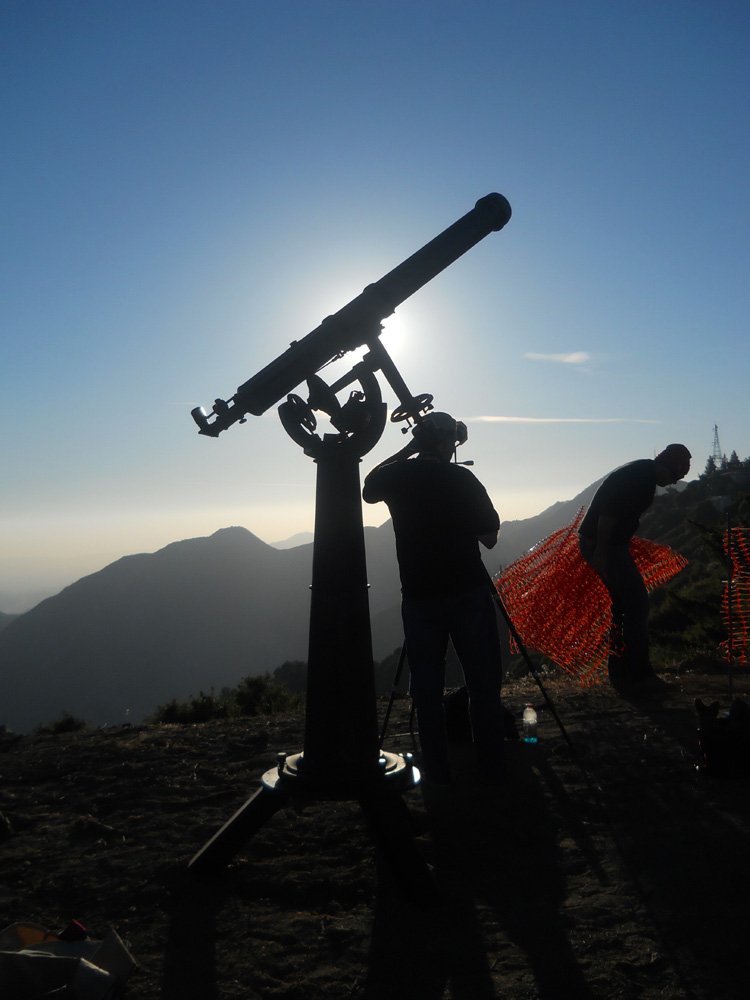
After the historic Venus transit and my involvement of the Astronomers Without Borders live webcast of the event from Mt. Wilson, I jetted off to Florida to give a talk at the 7×24 Exchange meeting in Orlando, so I had little time to post my transit photos on Astroengine.com. Now that my feet are (partially) back on the ground, I’ve found some time to upload them.
Interestingly, my favorite photos were taken using my trusty old iPhone 3GS through the eyepieces of random telescopes (pictured top), but here are some more from that awesome day.
For more, read my recent Discovery News articles based on the 2012 Venus transit:
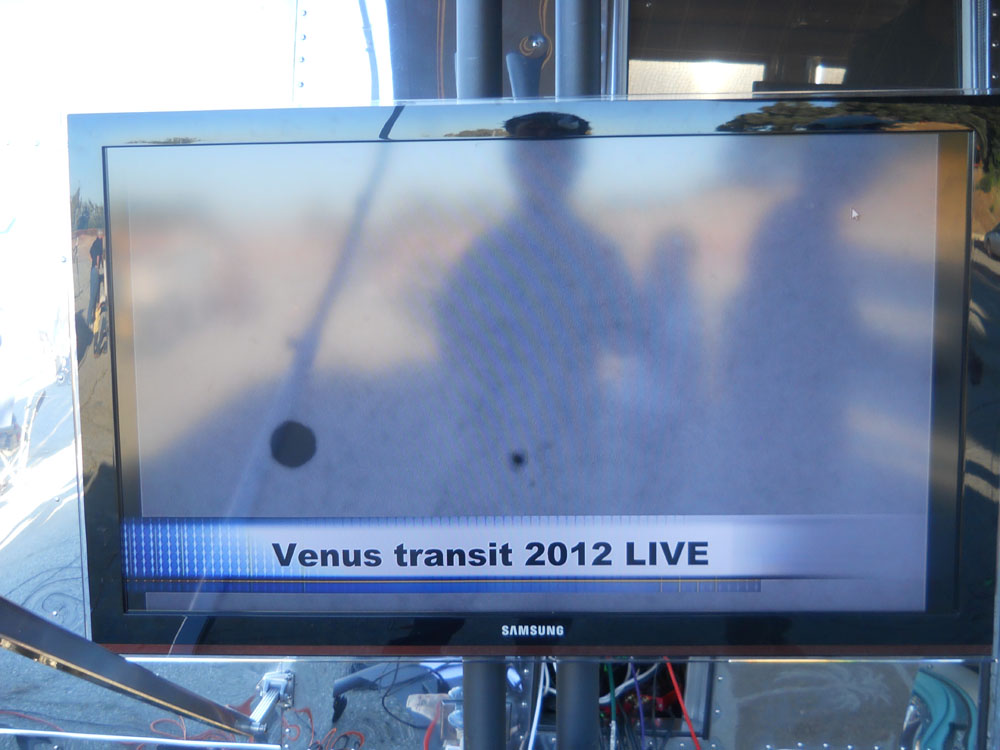


Venus Transit: Streamed LIVE from Mt. Wilson, California!
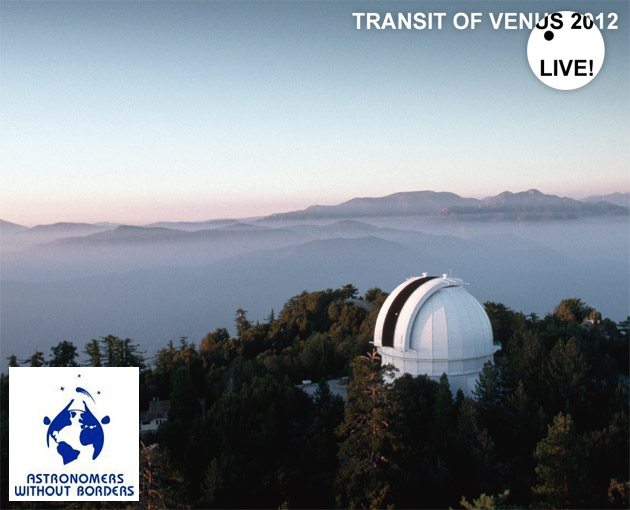
Today, at 2:45 p.m. PDT (5:45 p.m. EDT or 10:45 p.m. GMT), be sure to tune into the extra special Venus transit live video feed from the famous Mt. Wilson Observatory. I will be there, co-hosting a pretty awesome live event from the historic site with Mike Simmons, President and Founder of Astronomers Without Borders. We also have a surprise, rather sci-fi announcement in store too. For a run-down of all the festivities and the live feed, take a look at the AWB transit pages.
I will be surrounded by real astronomers with huge telescopes, so there will likely be lots of opportunities to see me geek out over some awesome views of this once-in-a-lifetime event (well, two if you saw the 2004 transit… or if you’re really young and live to see the 2117 Venus transit!). I will also be taking my patented “eclipse viewing” kit — a $1 pair of eclipse glasses and my Nikon CoolPix camera — to see if I can get a very amateur photo of Venus’ silhouette!
See you at the summit!
 astroengine.com