After Historic Discovery, Higgs Flies Economy

Real superstars: Peter Higgs congratulates ATLAS experiment spokesperson Fabiola Gianotti after she announced her collaboration's discovery of a Higgs-like particle (CERN/ATLAS/Getty)
Real superstars: Peter Higgs congratulates ATLAS experiment spokesperson Fabiola Gianotti after she announced her collaboration’s discovery of a Higgs-like particle. Credit: CERN/ATLAS/Getty

I am endlessly baffled by modern society.

We have reality TV stars whose only talent is to shock and annoy, and yet inexplicably have millions of adoring fans. We also have sports superstars who get paid tens of millions of dollars to play a game they love, and yet they still get elevated to God-like status.

And then there’s Professor Peter Higgs, arguably the biggest science superstar of recent years.

The 83-year-old retired theoretical physicist was one of six scientists who, in the 1960s, assembled the framework behind the Higgs boson — the almost-unequivocally-discovered gauge particle that is theorized to carry the Higgs field, thereby endowing matter with mass. The theory behind the Higgs boson and all the high-energy physics experiments pursuing its existence culminated in a grand CERN announcement from Geneva, Switzerland, on Wednesday. With obvious emotion and nerves, lead scientist of the Large Hadron Collider’s CMS detector Joe Incandela announced what we’ve all been impatiently waiting for: “We have observed a new boson.

So, we now have evidence for the existence of the Higgs boson — or a Higgs boson — to a high degree of statistical certainty, ultimately providing observational evidence for a critical piece of the Standard Model. This story began half a century ago with Prof. Higgs’ theoretical team, and it culminated on July 4, 2012, when results from a $10 billion particle accelerator were announced.

After the historic events of the last few days, one would think Peter Higgs would have been at least treated to a First Class flight back to his home in Scotland. But true to form, Higgs had other ideas:

Later, Higgs’s friend and colleague Alan Walker recounted the low-key celebration they held after learning of the breakthrough, one of the most important scientific discoveries of recent years.

Walker said he and Higgs were flying home from CERN in Geneva this week on budget airline easyJet when he offered Higgs a glass of Prosecco sparkling wine so they could toast the discovery.

Higgs replied: “‘I’d rather have a beer’ and popped a can of London Pride,” Walker said.

via Discovery News

In a world where “celebrities” are hailed as superhuman, to hear that potential Nobel Prize candidate Peter Higgs took a budget airline home, after history had been made, typifies the humble nature of a great scientist and puts the world of celebrity to shame. Money and fame matters little to the people who are unraveling the fabric of the Universe.

On a different (yet related) note, Motherboard interviewed people on the streets of Brooklyn and asked them if they knew what the Higgs boson is. Most had never heard of it, let alone understood it (which, let’s face it, isn’t a surprise — many science communicators still have problems explaining the Higgs mechanism). But I wonder if the same group of people were asked if they knew what a “Snookie” was; I’m guessing they’d have no problem answering.

People may not read the news, but they sure have an innate knowledge of who’s in the gossip columns.

Higgs Boson-like Particle Discovered in CMS and ATLAS Data!

The CMS detector at the LHC (CERN)

Yes, the Higgs boson has been discovered… or, to put it more accurately, something that looks like a Higgs boson has been discovered. But is it a Higgs boson? There’s a very high probability that it is, but in the world where theory meets high-energy physics, it pays to be completely sure about what you’re looking at.

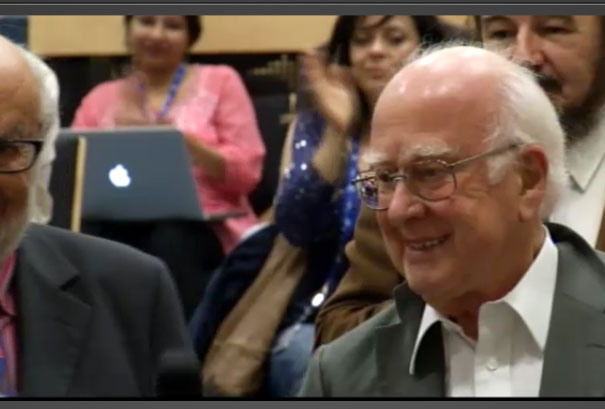
Prof. Peter Higgs, theoretical theorist, receives applause at the CERN event.

But for the ATLAS and CMS collaborations at the Large Hadron Collider in CERN, near Geneva, Switzerland, who held a rapturous conference at CERN and in Australia this morning, they’re pretty damned sure they are looking at a bona fide Higgs boson discovery.

“We have observed a new boson,” said CMS lead scientist Joe Incandela.

“We observe in our data clear signs of a new particle, at the level of five sigma, in the mass region around 126 GeV,” confirmed ATLAS lead scientist Fabiola Gianotti.

“I think we have it,” said CERN Director-General Rolf Heuer. “We have discovered a particle that is consistent with a Higgs boson.”

Why all the certainty? Well, it all comes down to statistics, and all the statistics seem to show a defined “bump” in the CMS and ATLAS data around the mass-energy of 125-126 GeV/c2 — to a statistical certainty of 4.9 and 5 sigma. 125-126 GeV/c2 just so happens to be one of the theorized masses of a Higgs boson — placing the Higgs’ mass at 133 times that of a proton. This particular boson is therefore the most massive boson ever detected.

For more news on this incredible discovery, check out my Discovery News blog “Particle ‘Consistent’ With Higgs Boson Discovered

Soyuz Floating On Clouds

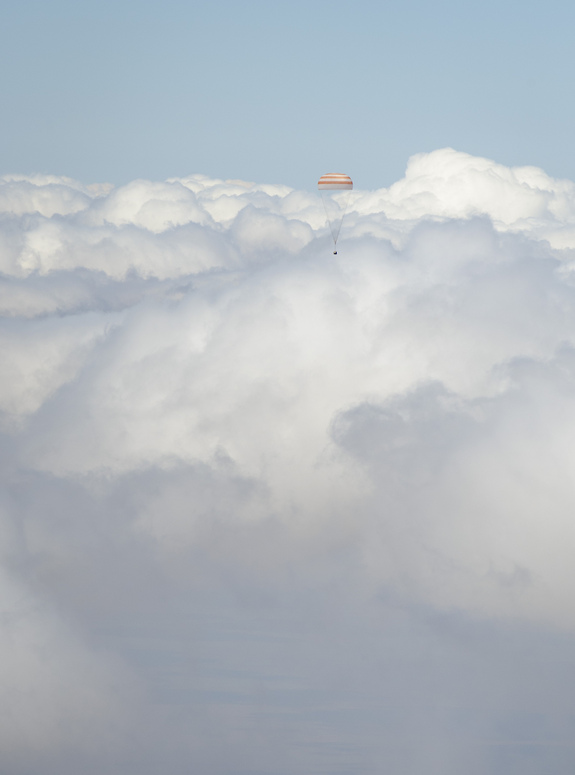
The Soyuz TMA-03M spacecraft parachute contrasts with the cloud over Kazakhstan minutes before touchdown. Credit: Bill Ingalls/NASA

In the early hours of Sunday morning (Pacific Time), a Russian cosmonaut, NASA astronaut and a European Space Agency astronaut returned to Earth after a 6-month stay on the International Space Station (ISS). Oleg Kononenko, Don Pettit and Andre Kuipers landed safely on the Kazakhstan steppes after the Soyuz TMA-03M spacecraft fired its soft landing rockets, blasting a cloud of dust into the air. But before touchdown and after the violence of reentry, NASA photographer Bill Ingalls was able to photograph this beautiful aerial view of the Soyuz and deployed parachute above the clouds. What a ride that must have been.

Read more about the successful Soyuz landing on Discovery News.

Special thanks to NASA astronaut Nicole Stott (@Astro_Nicole) for tweeting this photo!

Epic Mars Rover Curiosity Video of the “7 Minutes of Terror”

This video has been doing the rounds, so I posted it on Discovery News on Tuesday. My favorite comment from a reader was: “I need a clean pair of shorts.” That means only one thing; it’s time for some epic NASA-created CGI of the entry, descent and landing (a.k.a. “EDL”) of the Mars Science Laboratory “Curiosity” set for landing on the Red Planet on August 5 at 9:30 p.m. (PST). To be honest, the video speaks for itself, so I’ll hand over to EDL Engineer Adam Stelzner (who really needs his own TV show — love his monolog).

Life: Not So Grim On The Galactic Rim?

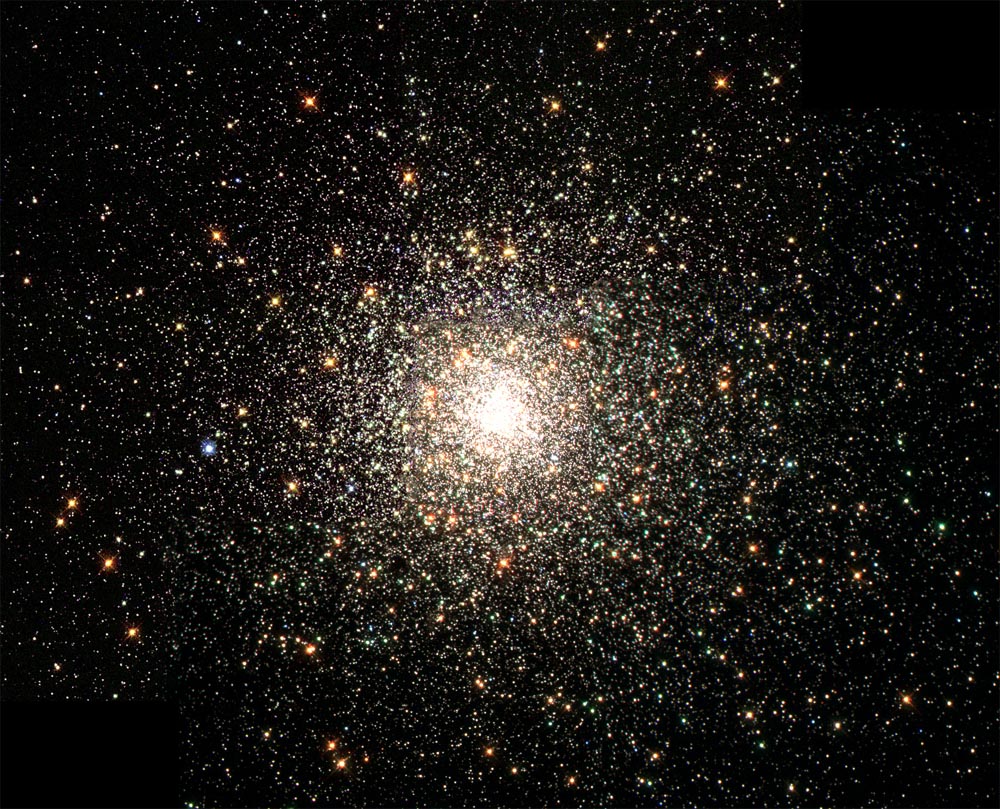
M80 -- an old globular cluster in the Milky Way -- is full of metal-poor stars. Do they still have exoplanetary potential? (NASA)
M80 — an old globular cluster in the Milky Way — is full of metal-poor stars. Do they still have exoplanetary potential? (NASA)

The galaxy may be brimming with habitable small worlds and many older star systems could possess the conditions ripe for advanced alien civilizations to evolve. This prediction comes in the wake of new analysis of data from NASA’s Kepler space telescope and ground based observatories by a team of Danish and American astronomers.

Led by Lars Buchhave of the Niels Bohr Institute in Copenhagen, the team has revealed that stars containing low quantities of heavy elements — known as “metal poor” stars — are still capable of nurturing exoplanets with Earth-like qualities.

“I wanted to investigate whether planets only form around certain types of stars and whether there is a correlation between the size of the planets and the type of host star it is orbiting,” Buchhave said.

After analyzing the elemental composition of stars hosting 226 small exoplanets — some as small as the rocky planets in the Solar System — Buchhave’s team discovered that “unlike the gas giants, the occurrence of smaller planets is not strongly dependent on stars with a high content of heavy elements. Planets that are up to four times the size of Earth can form around very different stars — also stars that are poorer in heavy elements,” he concluded.

The Kepler mission, for example, is actively carrying out a search for exoplanets that pass in front of their host stars (events known as “transits”). With Kepler’s sensitive eye, it is capable of detecting exoplanets of similar size to Earth, or even as small as Mars.

Interestingly, as it surveys Sun-like stars, Kepler can detect tiny, rocky worlds that orbit within the “habitable zones” of their stars. It’s no huge leap of the imagination to think alien life may have evolved on some of these worlds.

But a problem facing astronomers hunting for bona fide “Earth-like” exoplanets is that many older stars have low quantities of heavier elements (such as the silicon and iron) that small rocky worlds need to become… well… rocky. But Buchhave’s discovery suggests that stars once considered infertile may in fact have a shot at birthing small exoplanets.

Jill Tarter, Chair of the SETI Institute, points out that this could be a boon for the search for intelligent extraterrestrials. “The idea that very old stars could also sport habitable planets is encouraging for our searches,” she said in a SETI press release on Wednesday.

Tarter also highlights the fact that life took a long time to evolve into an advanced technological state on Earth. Therefore, should there be small habitable rocky worlds orbiting ancient stars (as this research suggests), perhaps alien life far older and more technologically advanced than ourselves are out there.

Although this seems to make logical sense, it may not make biological sense. Metal-poor stars might have the ability to create small worlds, but just because there are likely many small worlds out there, it doesn’t mean life can be nurtured. But then again, regions of the Milky Way once considered to be devoid of exoplanets may now have a stab at providing a planetary habitat for extraterrestrial biology to gain a foothold. Whether or not these metal poor stars host the right ingredients for the building blocks of life probably won’t be known for some time.

In 2009, I wrote an article (see “Life Is Grim On The Galactic Rim“) that grabbed the attention of National Geographic writer Ken Croswell who quoted my Astroengine.com article in the December 2010 edition of the magazine. In the text, I discussed some research that investigated the strange lack of protoplanetary disks around a selection of metal-poor star clusters in the outermost regions of the galaxy. The lack of a protoplanetary disk means a lack of exoplanet-birthing potential and a grim outlook for life to evolve in regions of the galaxy distant from the galactic core.

The conclusion of this 2009 work appears to contradict these most recent findings and the suggestion that advanced alien civilizations may have evolved around metal-poor stars. Whether these stars are the exception rather than the rule, or whether their low metallicity influences the size or visibility of their protoplanetary disks would be an interesting factor to consider.

Although SETI searches have yet to turn up any signal from an advanced alien technology, Kepler is proving that stars — regardless of their metallicity — have the ability to host small rocky worlds. Should life have taken hold on these worlds, then perhaps, some day, we may intercept an interstellar phone call from one of them.

This topic and a myriad of others will be discussed on June 22-24 where the world’s leaders in the field of alien and exoplanet hunting will meet at the Hyatt Santa Clara hotel in California’s Silicon Valley for SETIcon.

UPDATE: After tweeting this article, @spacearcheology retweeted my link with the following comment:

This is something I neglected to consider in the original post. If there are indeed many more small rocky worlds out there — particularly around metal-poor stars that are, by their nature, ancient — why the heck haven’t we detected any ancient extraterrestrial intelligences yet? This has just become the Fermi Paradox PLUS…

When Venus Transited the Sun

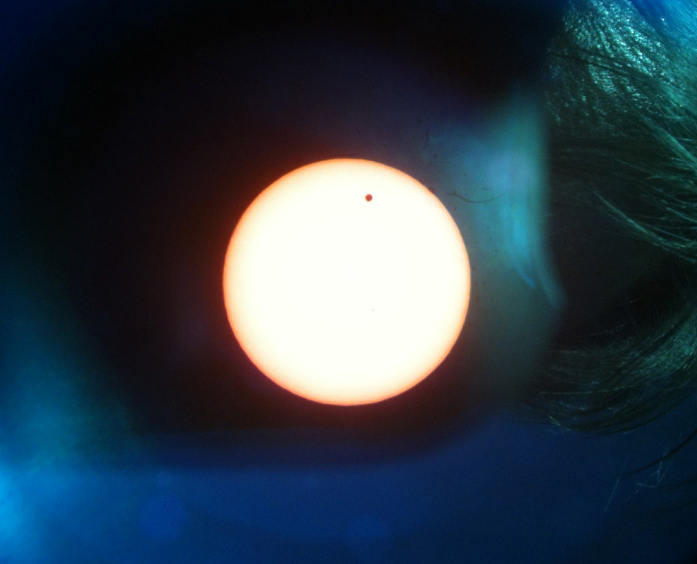
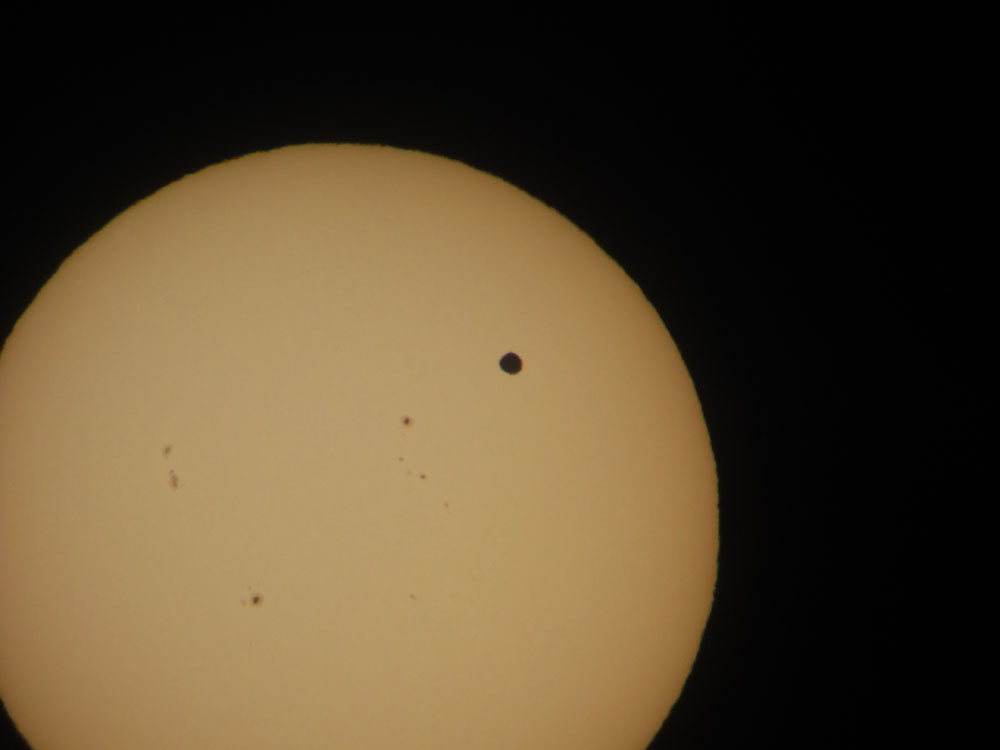
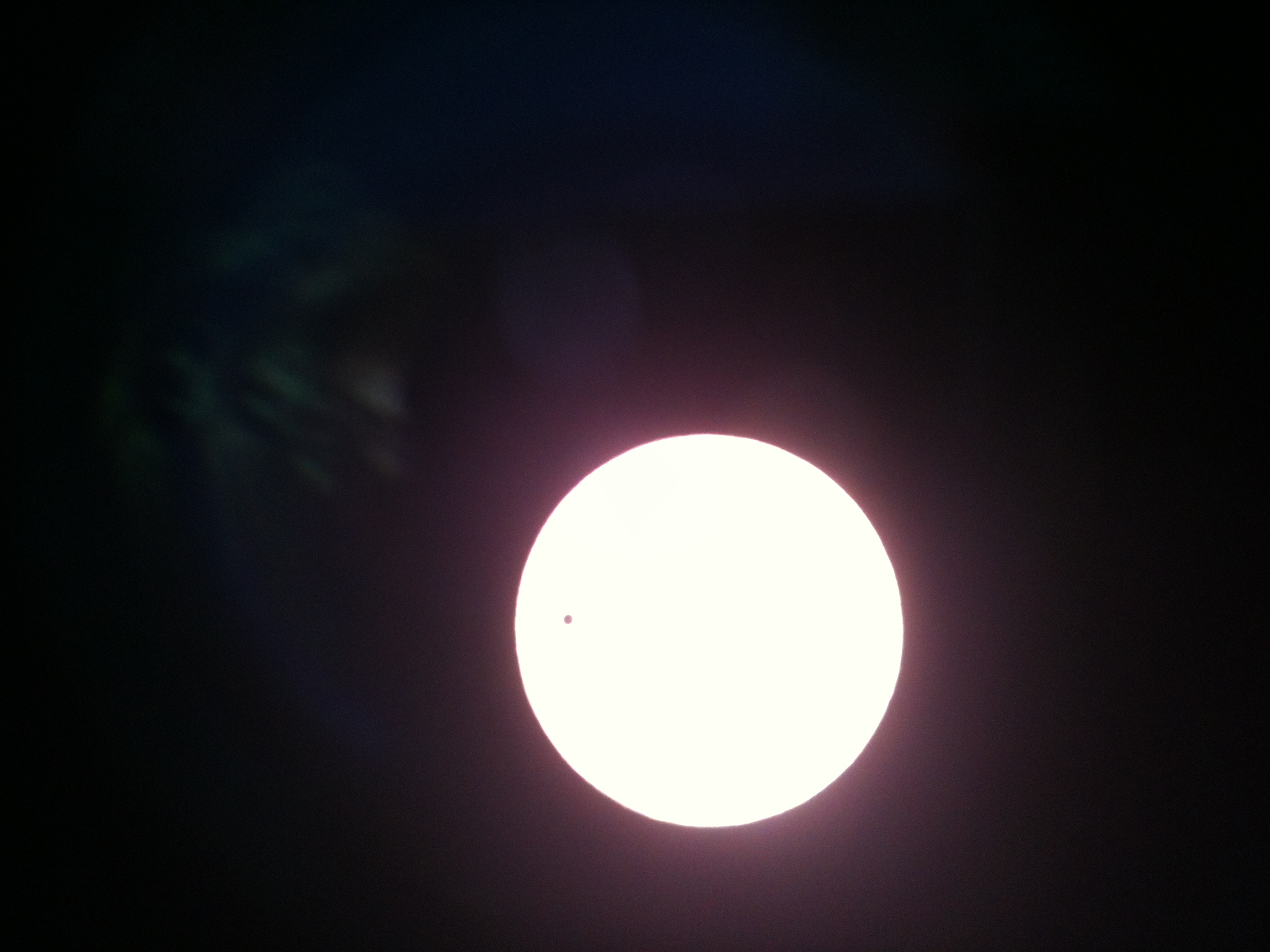
The Venus transit taken with my iPhone 3GS through a telescope eyepiece atop Mt. Wilson on June 5, 2012.

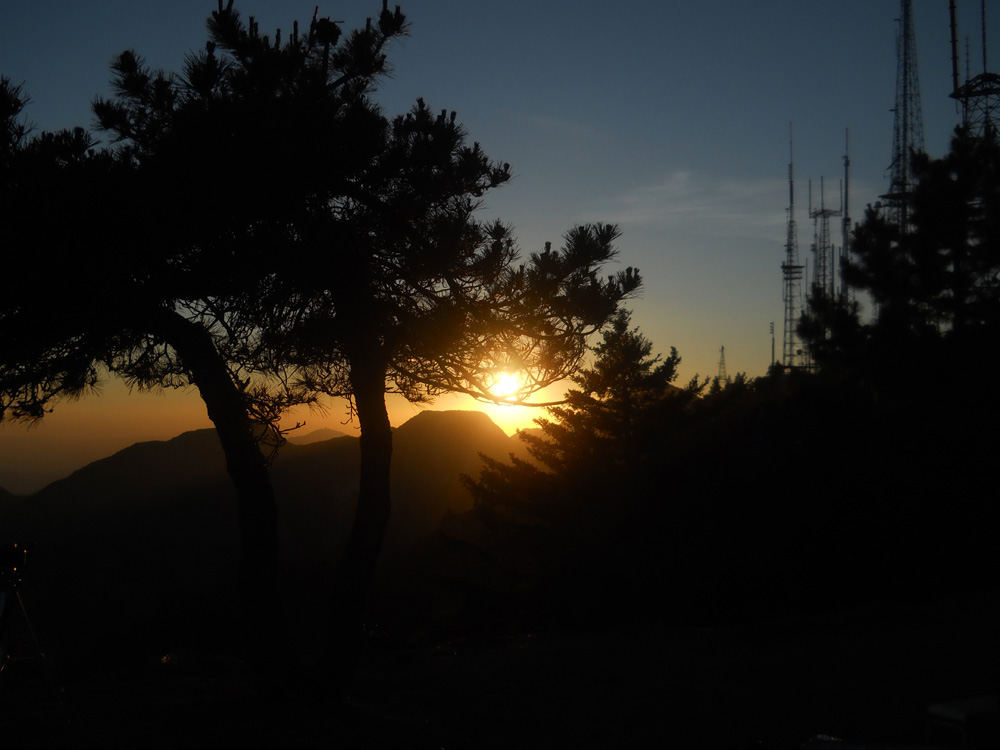
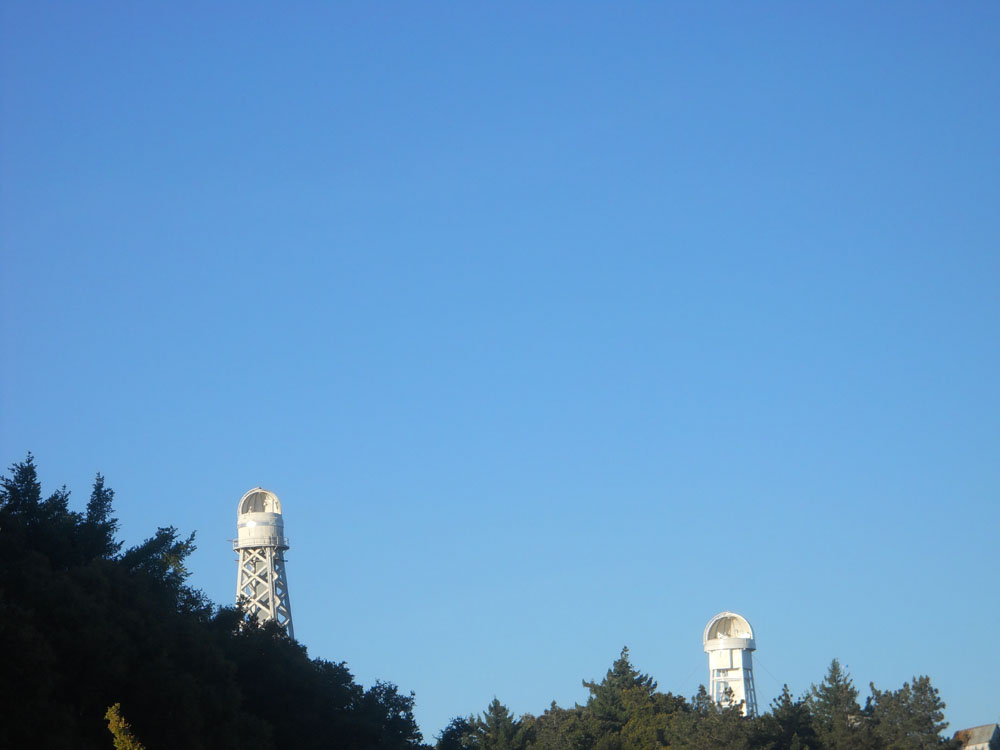
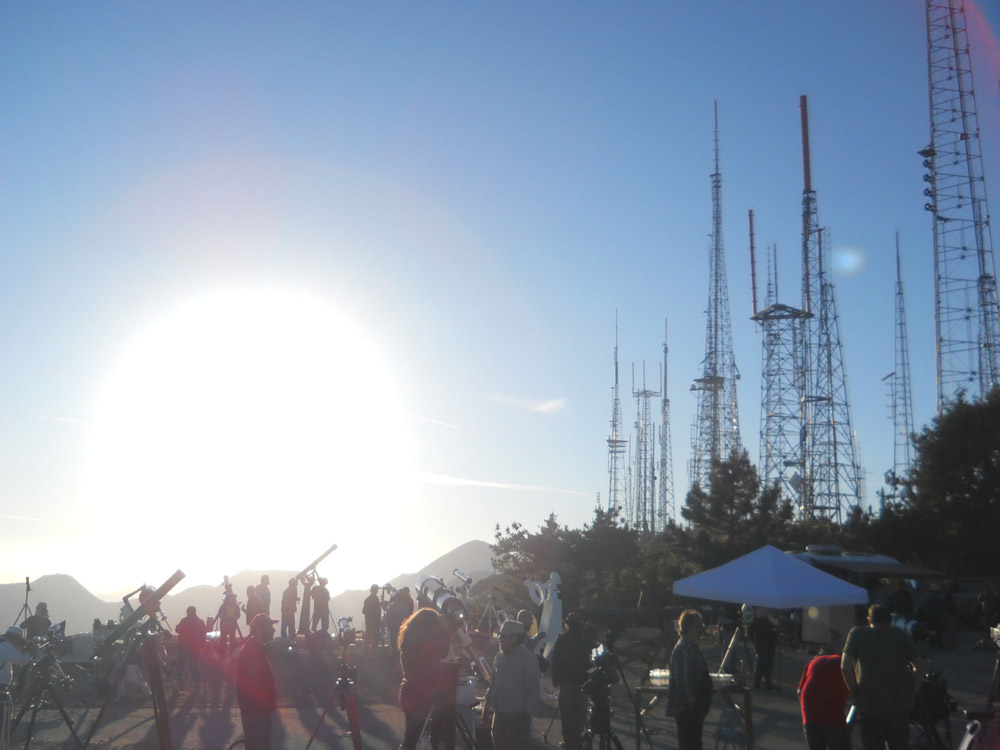
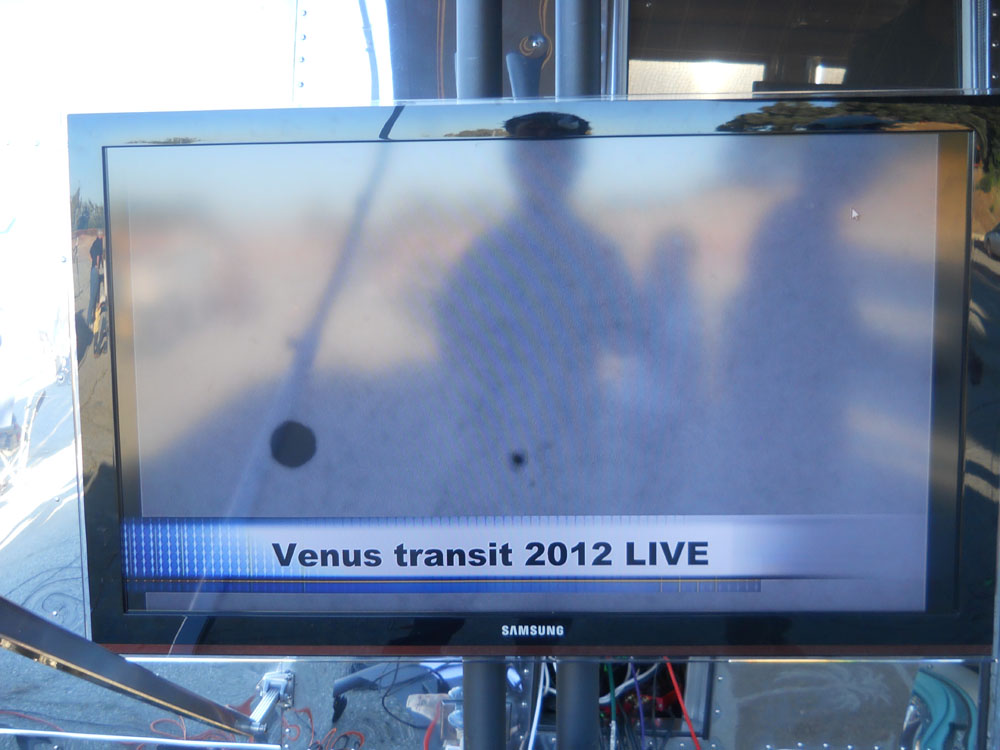
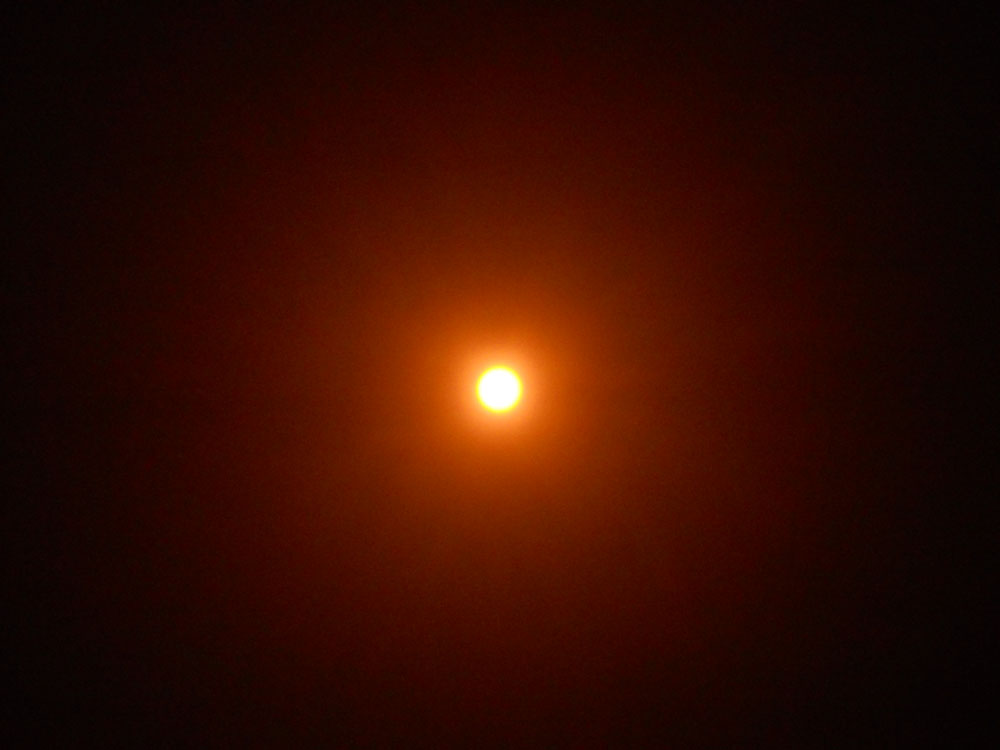
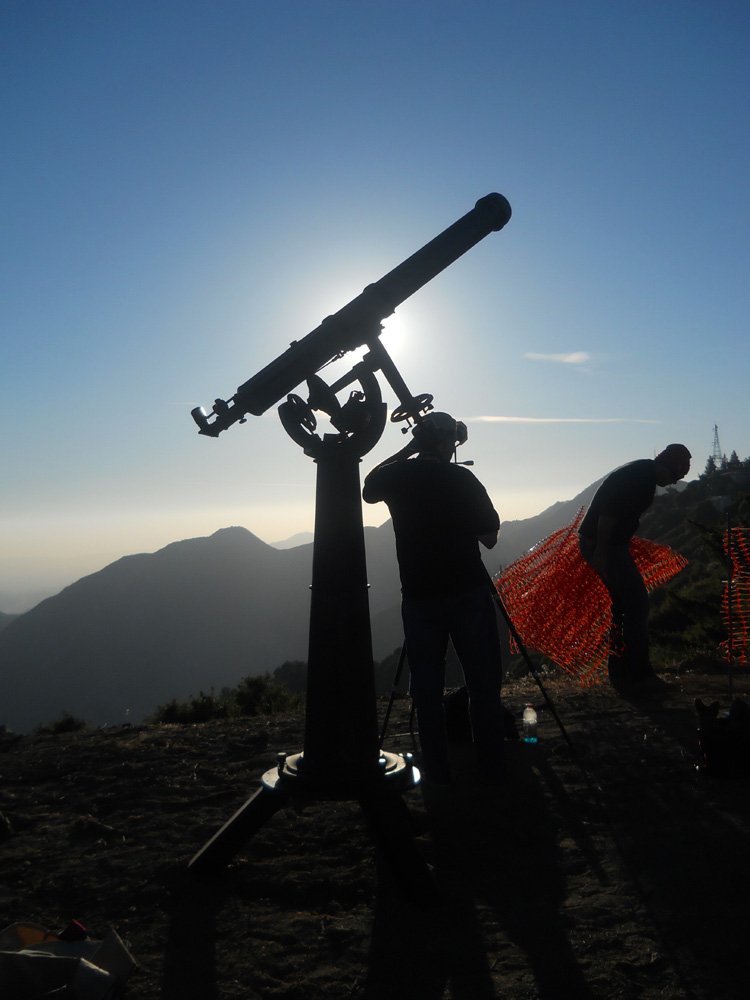
After the historic Venus transit and my involvement of the Astronomers Without Borders live webcast of the event from Mt. Wilson, I jetted off to Florida to give a talk at the 7×24 Exchange meeting in Orlando, so I had little time to post my transit photos on Astroengine.com. Now that my feet are (partially) back on the ground, I’ve found some time to upload them.

Interestingly, my favorite photos were taken using my trusty old iPhone 3GS through the eyepieces of random telescopes (pictured top), but here are some more from that awesome day.

For more, read my recent Discovery News articles based on the 2012 Venus transit:

Venus Transit: Streamed LIVE from Mt. Wilson, California!

Today, at 2:45 p.m. PDT (5:45 p.m. EDT or 10:45 p.m. GMT), be sure to tune into the extra special Venus transit live video feed from the famous Mt. Wilson Observatory. I will be there, co-hosting a pretty awesome live event from the historic site with Mike Simmons, President and Founder of Astronomers Without Borders. We also have a surprise, rather sci-fi announcement in store too. For a run-down of all the festivities and the live feed, take a look at the AWB transit pages.

I will be surrounded by real astronomers with huge telescopes, so there will likely be lots of opportunities to see me geek out over some awesome views of this once-in-a-lifetime event (well, two if you saw the 2004 transit… or if you’re really young and live to see the 2117 Venus transit!). I will also be taking my patented “eclipse viewing” kit — a $1 pair of eclipse glasses and my Nikon CoolPix camera — to see if I can get a very amateur photo of Venus’ silhouette!

See you at the summit!

SpaceX’s Dragon: The Dawn of a New Age for Space Exploration?

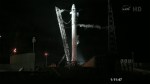
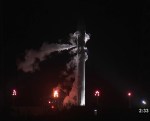
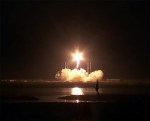
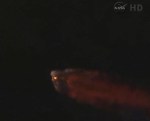
SpaceX's Falcon 9 carries the Dragon capsule to orbit (NASA TV)

This morning, at 12:44 a.m. PDT, a rocket was launched from Cape Canaveral Air Force Station Space Launch Complex 40. It wasn’t the biggest of rockets; it wasn’t carrying a particularly exciting payload, either. But it may well represent a crossroads in spaceflight history.

Space Exploration Technologies, or SpaceX, saw a perfect launch of its Falcon 9 rocket. Sporting nine Merlin engines — engines designed and built in-house — the rocket blasted off exactly as planned even though the first launch attempt on Saturday was scrubbed. The “failed” attempt — that was aborted automatically in the last second due to a faulty valve in number 5 engine — was actually a success unto itself; a means of ensuring the launch abort systems were working as they should.

But Saturday is a distant memory as, at right at this moment, there’s an unmanned spacecraft chasing after the International Space Station set for a historic orbital rendezvous in three days time. The Falcon 9 operated as it should and so has the Dragon capsule. So far.

Assuming everything else goes to plan, what does this mission mean for the future of spaceflight?

This is no silver bullet to solve all our spaceflight woes, but it could be the start of something a little bit special. Elon Musk, Internet entrepraneur and SpaceX CEO, has no qualms about thinking big. His enthusiasm for space exploration is infectious and his eye for applying a business model to rocket science is, so far, genius. In a world driven by politics and money, he’s found a way of tying the two together to give the noble effort of pushing mankind’s frontiers an accelerated start. He’s eying Mars. If SpaceX can build rockets and spaceships, perhaps companies, governments and institutions will buy his company’s services to travel through interplanetary space.

Does this mean Mars “taxi rides” are in our future? Perhaps.

But spaceflight history is littered with failed start-ups, accidents and expense, so time will only tell how far SpaceX and other private spaceflight companies can push mankind’s exploration envelope.

I can’t help but be enthusiastic for Musk’s endeavour, however. Remember Sept. 28, 2008, when SpaceX became the first company to launch its own rocket into orbit? That was only four short years ago.

It may be too early to get excited over seeing the Dragon docked to the ISS, but the importance of such an event shouldn’t be ignored. Once SpaceX proves it can be done, this could be a paradigm shift. Space exploration could be driven by enterprise and exploration, potentially transforming us into a multi-planetary species.

Listen to the “Which Way, LA” show hosted by Warren Olney where we discuss SpaceX and commercial space.

Mars Flips Us The Bird

A curiously shaped Mars dune (NASA/JPL/University of Arizona)

Is that a bird? Yes, I can see a bird! A bird on Mars! Aliens must have created it to send us a message! Actually, no, it’s a curiously shaped dune on the Martian surface. My subconscious brain has just processed a familiar shape and my conscious brain did the rest.

Captured by the HiRISE camera aboard NASA’s Mars Reconnaissance Orbiter (MRO), this dune is located in the north polar sand sea (commonly referred to as the “north polar erg”) and it is undergoing the process of defrosting. As the Red Planet’s northern hemisphere is entering springtime, the increased intensity of sunlight is causing carbon dioxide ice (and some water ice) to sublimate into the atmosphere. The ice can be seen as frosty white patches, whereas the dark patches are likely freshly deposited particles from carbon dioxide geysers erupting from the surface.

This is all well and good — how amazing it is to be witnessing the onset of Martian spring at such high resolution! — but it’s the bird head (possibly some kind of falcon?) that drew me into reading about this fascinating HiRISE update in the first place.

This is a fantastic example of pareidolia, a psychological phenomenon that makes us see familiar images in apparently random assortments of shapes. It’s the same phenomenon that makes us see the shapes of bunnies in clouds and the face of Jesus in burnt toast. Interestingly, the HiRISE folks didn’t point out the bird head in this particular photo, but considering they recently brought us the “Elephant On Mars,” I’m thinking this is no coincidence. Those sneaky scientists. During the fun elephant escapade earlier this month, HiRISE scientist Alfred McEwen decided to use the “elephantolia” as an opportunity to teach some really cool Martian geology and make us aware of Martian pareidolia. (Apparently an elephant couldn’t outrun an ancient flood of Mars lava, who knew!)

Right around the same time, images were released of the shape of a parrot in a Martian mesa. Unfortunately, the parrot researchers weren’t joking — they seem to wholeheartedly believe some form of alien intelligence is involved. But as demonstrated by the new HiRISE image, the parrot research is totally based on pareidolia (or “parrotolia”). They saw a parrot, and they have spent years proving it’s a parrot. The logical misstep is astonishing.

In fact, I found this whole thing so astonishing that I plucked this particular parrot to death in my most recent Al Jazeera English op-ed. And yes, I used Monty Python to emphasize my point.

Many thanks to Jason Major for pointing out the HiRISE pareidolia!

Mystery Mars Cloud: An Auroral Umbrella?

The strange cloud-like protursion above Mars' limb (around the 1 o'clock point). Credit: Wayne Jaeschke.

Last week, amateur astronomer Wayne Jaeschke noticed something peculiar in his observations of Mars — there appeared to be a cloud-like structure hanging above the limb of the planet.

Many theories have been put forward as to what the phenomenon could be — high altitude cloud? Dust storm? An asteroid impact plume?! — but it’s all conjecture until we can get follow-up observations. It is hoped that NASA’s Mars Odyssey satellite might be able to slew around and get a close-up view. However, it appears to be a transient event that is decreasing in size, so follow-up observations may not be possible.

For the moment, it’s looking very likely that it is some kind of short-lived atmospheric feature, and if I had to put money on it, I’d probably edge more toward the mundane — like a high-altitude cloud formation.

But there is one other possibility that immediately came to mind when I saw Jaeschke’s photograph: Could it be the effect of a magnetic umbrella?

Despite the lack of a global magnetic field like Earth’s magnetosphere, Mars does have small pockets of magnetism over its surface. When solar wind particles collide with the Earth’s magnetosphere, highly energetic particles are channeled to the poles and impact the high altitude atmosphere — aurorae are the result. On Mars, however, it’s different. Though the planet may not experience the intense “auroral oval” like its terrestrial counterpart, when the conditions are right, solar particles my hit these small pockets of magnetism. The result? Auroral umbrellas.

The physics is fairly straight forward — the discreet magnetic pockets act as bubbles, directing the charged solar particles around them in an umbrella fashion. There is limited observational evidence for these space weather features, but they should be possible.

As the sun is going through a period of unrest, amplifying the ferocity of solar storms, popping off coronal mass ejections (CMEs) and solar flares, could the cloud-like feature seen in Jaeschke’s photograph be a bright auroral umbrella? I’m additionally curious as a magnetic feature like this would be rooted in the planet’s crust and would move with the rotation of the planet. It would also be a transient event — much like an atmospheric phenomenon.

The physics may sound plausible, but it would be interesting to see what amateur astronomers think. Could such a feature appear in Mars observations?

For more information, see Jaeschke’s ExoSky website.